
After Prostate Treatment: Leaks, Recovery and Measuring Progress
Understanding post-prostate surgery urinary changes, tracking recovery patterns, and practical strategies to support continence improvement over time.
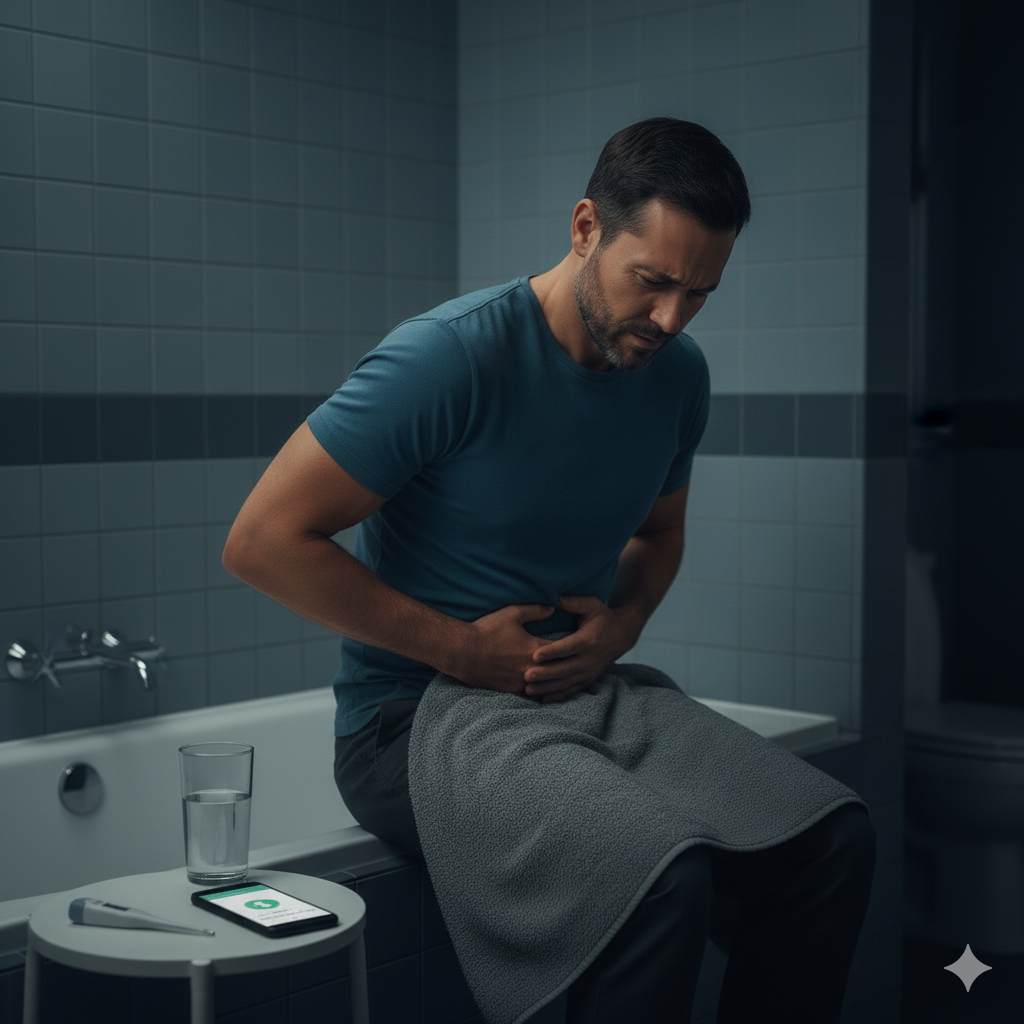
Urinary leakage after prostate treatment is extremely common and, for most men, improves significantly over time. Understanding what to expect and how to track your progress helps maintain confidence during recovery whilst working toward your continence goals.
What to Expect After Prostate Surgery
Common Timeline Following prostate surgery (particularly radical prostatectomy), around 70% of men experience some degree of leakage at 6 months post-surgery. This typically improves gradually over 6-18 months as healing progresses and pelvic floor strength rebuilds.
Types of Leakage Men commonly experience:
- Stress incontinence (leaks when coughing, sneezing, lifting, or standing up)
- Urgency (sudden strong need to urinate)
- Dribbling after urination
- Night-time leakage
The severity varies from occasional small leaks requiring a light pad to more frequent episodes needing absorbent protection. Most men see steady improvement with time and pelvic floor rehabilitation.
Tracking Your Recovery
Monitoring your progress helps you recognise improvements that might otherwise go unnoticed and provides useful information if discussing management with healthcare providers.
Pad Use Log Track daily:
- Number of pads used
- How wet each pad became (dry/slightly damp/quite wet/saturated)
- Time of pad changes
- Any completely dry periods
Leak Episodes Note specific triggers:
- Activity when leak occurred (coughing, standing from sitting, walking, lifting)
- Time of day patterns
- Estimated volume (few drops/small puddle/significant amount)
- Whether you felt urge beforehand
Pelvic Floor Exercises Record your consistency:
- Daily practice completed (yes/no)
- Number of repetitions and sets
- Whether you can better identify and engage the muscles
- Any improvement in how long you can hold contractions
Supporting Your Recovery
Pelvic Floor Rehabilitation Pelvic floor exercises (Kegels) are the cornerstone of post-prostatectomy recovery. These exercises strengthen the muscles that support bladder control.
Basic technique:
- Identify the muscles - imagine stopping urine mid-flow (though don't actually practise this regularly)
- Contract those muscles, hold for 3-5 seconds
- Relax completely for 3-5 seconds
- Repeat 10 times, three times daily
- Gradually increase hold time as strength improves
Many men benefit from referral to a specialist physiotherapist who can ensure correct technique and provide tailored exercises.
Fluid Management Maintain sensible hydration (approximately 1.5-2 litres daily unless advised otherwise), but avoid:
- Drinking excessive amounts thinking it will "flush things out"
- Over-drinking before bedtime
- Extreme fluid restriction (which concentrates urine and can irritate the bladder)
Lifestyle Adjustments While healing:
- Avoid heavy lifting initially
- Practise good toilet habits (don't rush, ensure complete emptying)
- Consider timing of activities around bathroom access
- Use appropriate protective products without embarrassment - they're temporary aids during recovery
Products and Practical Support
Absorbent Protection Modern products are discreet and effective:
- Light pads for minimal leakage
- Moderate absorbency for more frequent leaks
- Guards specifically designed for male anatomy
- Overnight protection if needed
Don't let embarrassment prevent you using adequate protection. Being confident and dry enhances quality of life during recovery.
Clothing Considerations Dark-coloured trousers provide reassurance. Many men keep a change of clothes in the car during early recovery for peace of mind.
When to Seek Additional Support
Whilst improvement is the norm, consult your healthcare team if:
- Leakage isn't improving at all after 3-6 months
- You develop sudden worsening after initial improvement
- Leakage significantly impacts your quality of life and daily activities
- You experience pain, burning, or fever (suggesting infection)
- You cannot empty your bladder (retention)
Additional treatments exist beyond pelvic floor exercises, from medication to more interventional options, but most men find exercises and time bring substantial improvement.
Measuring Real Progress
Recovery isn't always linear - you might have good and difficult days. Look for these positive trends:
Objective Measures
- Reduced number of pads per day
- Pads staying drier throughout the day
- Longer dry periods
- Fewer night-time leaks
- Improved stream strength
Functional Improvements
- Able to complete more activities without leaks
- Less anxiety about being away from toilets
- Improved sleep quality
- Greater confidence in social situations
- Returning to exercise or hobbies
Staying Positive During Recovery
Remember the Statistics Most men see significant improvement. The majority who have leakage at 6 months will continue improving through 12-18 months post-surgery.
Celebrate Small Wins Going from 5 pads daily to 3 is real progress. Having a dry night is worth acknowledging. These improvements add up.
Connect with Others Support groups (in-person or online) for post-prostatectomy recovery can provide practical tips and emotional support from those who understand the journey.
Maintain Overall Health Good nutrition, appropriate exercise (once cleared by your surgeon), adequate sleep, and stress management all support healing and recovery.
Important Reminders
This Takes Time Tissue healing and muscle retraining don't happen overnight. Most men need 6-12 months to see substantial improvement, with continued gains possible up to 18-24 months post-surgery.
Consistency Matters Regular pelvic floor exercises (ideally daily) make more difference than perfect technique done occasionally. Build the habit into your daily routine - perhaps link it to another regular activity like brushing teeth.
You're Not Alone Urinary issues after prostate surgery are the norm, not the exception. Healthcare professionals are familiar with supporting men through this recovery, so don't hesitate to ask for help.
Remember: This guide provides general wellness information to support your recovery. Always follow your surgeon's specific advice and consult your healthcare team about your individual situation and any concerns.