
Neurodiversity & the Bladder: When Body Signals Are "Too Quiet" or "Too Loud"
Understanding how neurodivergence (including ADHD and autism) can affect bladder awareness and practical strategies for managing interoception differences.
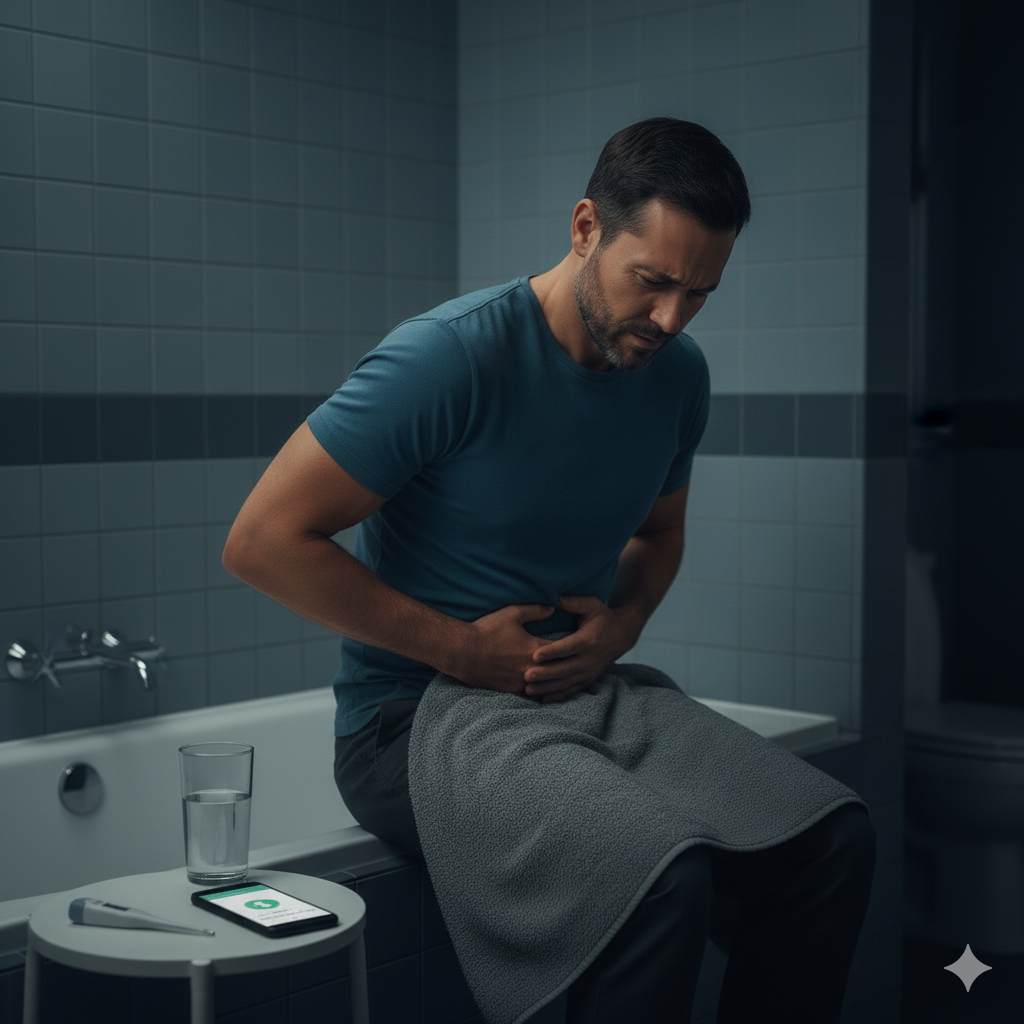
Some neurodivergent adults experience altered interoception - the awareness of internal body signals. This can affect how we perceive bladder fullness, making signals feel either muted ("I don't notice until it's urgent") or overwhelming ("even slight fullness feels uncomfortable"). Understanding these differences helps develop practical strategies that work with your neurology rather than against it.
Understanding Interoception Differences
What Is Interoception? Interoception is your body's sense of its internal state - hunger, thirst, bladder fullness, temperature, heart rate. It's like having internal sensors that tell you what's happening inside.
For many neurodivergent people, these sensors work differently. This isn't a choice or lack of awareness - it's a neurological difference in how the brain processes internal signals.
Two Common Patterns
Hypo-responsive (Muted Signals) Some people, particularly those with ADHD, may not register bladder fullness until it's quite urgent. You might be deeply focused on a task and suddenly realise you desperately need the toilet, with little warning. This isn't ignoring signals intentionally - the signals genuinely didn't register until they became very strong.
Hyper-responsive (Intense Signals) Others, including some autistic individuals, may feel bladder signals very intensely. Even slight fullness can feel uncomfortable or distracting, leading to more frequent toilet visits. This isn't being oversensitive - it's genuinely experiencing those sensations more strongly.
Practical Strategies for Muted Signals
Timed Voiding Rather than waiting for your body to signal, create a schedule:
- Set reminders for toilet breaks every 3-4 hours during waking time
- Link breaks to existing routines (after meals, before meetings, when arriving home)
- Use phone alarms or calendar notifications as external cues
This pre-emptive approach prevents the urgent "emergency" feeling that comes from delayed recognition of fullness.
Focus Mode Planning If you know you'll be deeply concentrating:
- Use the toilet before starting
- Set a timer for a mid-session break (even just 30 seconds to check in with your body)
- Build toilet breaks into natural transition points
Environmental Reminders Make bathroom awareness easier:
- Keep water bottle visible (hydration reminder)
- Sticky notes in workspace: "Last loo break?"
- Smart watch with gentle vibration reminders
Structured Hydration Small regular sips throughout the day rather than large amounts occasionally creates more predictable patterns and reduces extreme urgency episodes.
Practical Strategies for Intense Signals
Routine Scheduling Create a predictable toilet routine at set times. This can reduce anxiety about when the next opportunity will arise and provides structure that many neurodivergent people find comforting.
Pre-emptive Visits "Just in case" toilet visits before situations where access might be limited (before leaving home, before meetings) can reduce anxiety without necessarily indicating a problem.
Hydration Balance Aim for pale yellow urine (good hydration) without over-drinking, which can increase frequency. Sipping throughout the day rather than drinking large amounts at once helps maintain balance.
Sensory Comfort When possible, choose familiar toilets with comfortable environments. Harsh lighting, strong smells, or noisy hand dryers can add unnecessary sensory stress to an already heightened experience.
Low-Friction Tracking
Traditional detailed bladder diaries can feel overwhelming or cognitively demanding. Neurodivergent-friendly tracking might look like:
Simple Tick-Boxes Rather than detailed notes:
- ✓ Toilet visit
- ✓ Drink
- ✓ No issues / Some urgency / Needed to rush
Pattern Recognition Over Detail Track just enough to spot patterns:
- Better/worse days
- Times when urgency is strongest
- What helps or hinders
Use Existing Tools If you already track other aspects of health or routine, add just one or two bladder-related data points rather than creating an entirely new system.
Visual Tracking Some people find visual methods more accessible than written notes - simple graphs, colour coding by day, or even emoji scales for how things went.
Workplace and Daily Life Adaptations
Communication Strategies If comfortable, explaining your needs to employers or trusted people can reduce stress:
- "I work better with regular short breaks"
- "I need easy toilet access during meetings"
- "I manage a health condition that requires flexibility around bathroom breaks"
You don't need to provide detailed medical information to request reasonable adjustments.
Location Awareness Scope out toilet locations in regular venues. Many neurodivergent people find that reducing uncertainty about bathroom access significantly decreases anxiety.
Clothing Choices Clothing that's easy to manage quickly reduces stress during rushed trips and sensory overwhelm from struggling with buttons or tight waistbands when you're already uncomfortable.
When Professional Support Helps
Consider consulting a healthcare provider if:
- Frequent urgency interferes significantly with daily life
- You regularly experience discomfort or pain
- You've had urinary tract infections
- Holding urine too long has caused accidents or pain
- Anxiety about bladder issues impacts your activities or wellbeing
Many healthcare providers are familiar with neurodiversity and can offer practical support. If your first provider isn't helpful, seeking a second opinion is completely reasonable.
Specialist Support Some occupational therapists specialise in interoception training, helping people better recognise and interpret body signals. This can be particularly helpful for children and young adults developing these skills.
Working With Your Neurology
There's No "Normal" Neurotypical bladder awareness isn't inherently better - it's just different. Your strategies might look different from someone else's, and that's fine as long as they work for you.
Accommodation Isn't Weakness Using reminders, planning routes around toilet access, or needing predictable routines are all valid strategies. They're accommodations that help you function well, not signs of failure.
Communication With Healthcare Providers When discussing bladder issues with doctors:
- Mention your neurodivergence upfront
- Explain how your interoception works
- Describe your current strategies
- Ask whether suggestions can be adapted to your needs
Hydration and Urinary Health
Finding Your Balance Some neurodivergent people either forget to drink (hypofocus on interoception) or drink excessively (as a stim or soothing behaviour). Both can affect bladder health.
If you under-drink:
- Structured drinking schedule
- Visual cues (marked water bottle)
- Link drinking to other routines
If you over-drink:
- Track approximate intake to find a comfortable range
- Aim for pale yellow urine, not completely clear
- Spread fluid intake throughout the day
Supporting Neurodivergent Children
Parents and carers of neurodivergent children can help by:
- Teaching body awareness without shame
- Creating structured toilet routines
- Using visual timers or schedules
- Celebrating successes without pressure
- Working with schools on appropriate accommodations
Remember that toileting challenges often improve with maturity as interoception develops.
Community Experiences
Many neurodivergent people find that understanding the interoception connection validates their experiences. You're not "bad at" using the toilet - your brain processes these signals differently. Finding strategies that work with your neurology, rather than trying to force neurotypical approaches, often brings better outcomes and less distress.
Remember: This guide provides general wellness information about managing bladder awareness with neurodivergence. For personalised support or if you're experiencing distressing symptoms, consult a healthcare provider familiar with neurodiversity.